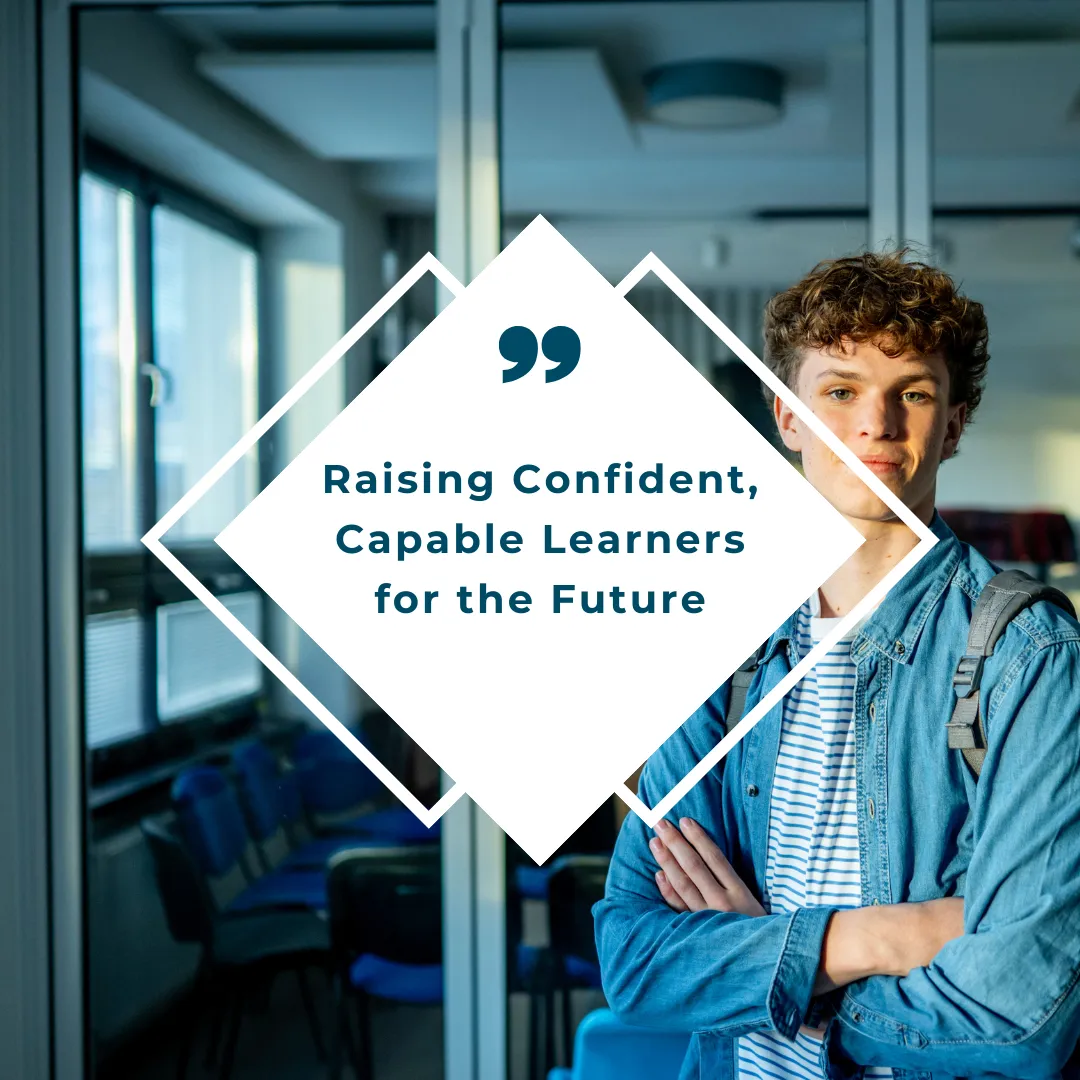
Wellbeing, Confidence & Growth: Raising Confident, Capable Learners for the Future
This is article #5 of 5 in the Wellbeing, Confidence & Growth
Series
Introduction
High school is more than just preparing for exams. It is a preparation stage for life after school — whether that is university, college, work, or entrepreneurship. Parents often focus on marks, but long-term success depends on much more than academic results.
To succeed in the future, learners need a combination of confidence, life skills, emotional strength, and responsibility. These qualities help them adapt, solve problems, and make good decisions in real-world situations.
This article provides a holistic guide for parents on how to raise confident, capable learners who are ready for life beyond school.
1. Understanding What “Future-Ready” Means
A future-ready learner is not just someone who gets good grades. They are someone who can:
Think independently
Solve problems
Communicate effectively
Manage responsibilities
Adapt to change
Make informed decisions
Academic success is important, but it is only one part of a bigger picture.
2. Build Confidence Through Real-Life Skills
Confidence grows when teenagers feel capable in real situations.
Parents can support this by teaching:
Basic financial skills (budgeting, saving)
Time management and planning
Communication skills (speaking and listening)
Decision-making in daily life
When learners can handle real-life tasks, they feel more confident about their future.
3. Encourage Independence Early
Independence is essential for life after school.
You can build independence by:
Allowing your teenager to manage their own study plan
Letting them handle school communication where appropriate
Encouraging them to solve problems before asking for help
Giving them space to make and learn from mistakes
Independence builds both confidence and capability.
4. Focus on Skills, Not Just Marks
While academic performance is important, employers and universities also value skills such as:
Critical thinking
Teamwork
Communication
Creativity
Adaptability
Parents should encourage learners to develop these skills alongside studying.
5. Encourage Exploration of Interests and Strengths
Every learner has different strengths. Some are academic, while others are practical, creative, or technical.
Support your child by:
Encouraging participation in sports, arts, or clubs
Exploring different career options early
Allowing them to try new activities
Supporting their natural interests
When learners explore their strengths, they become more confident in their identity and direction.
6. Teach Responsibility for Long-Term Success
Future success depends on consistent responsibility.
This includes:
Meeting deadlines without reminders
Completing tasks independently
Planning ahead
Taking ownership of decisions
These habits prepare learners for university, work, and adult life.
7. Develop Problem-Solving Ability
Life after school is full of challenges that cannot always be solved by memorising information.
Parents can help by:
Allowing teenagers to think through problems
Asking guiding questions instead of giving answers
Encouraging creative solutions
Discussing real-life situations and how to handle them
Problem-solving builds confidence and resilience.
8. Support Emotional Strength and Resilience
A capable learner is also emotionally strong.
Help your teenager by:
Teaching them how to handle stress
Encouraging them to recover from setbacks
Supporting positive thinking
Helping them manage pressure effectively
Emotional resilience is key to handling future challenges.
9. Encourage Good Communication Skills
Communication is one of the most important life skills.
Support your child by encouraging them to:
Express themselves clearly
Listen respectfully to others
Ask questions when unsure
Speak confidently in different situations
Good communication helps in interviews, teamwork, and relationships.
10. Prepare for Life Beyond School Early
Many learners only think about life after school in Grade 12, but preparation should start earlier.
Parents can help by:
Discussing career options from Grade 10 onwards
Exploring subject choices carefully
Understanding different study pathways (university, college, work)
Encouraging research and planning
Early preparation reduces stress later on.
11. Balance Academic Pressure with Life Skills
It is important not to focus only on academic performance.
A balanced learner should have:
Study discipline
Emotional wellbeing
Life skills
Social development
Hobbies and interests
Balance creates healthier, more capable individuals.
12. Be a Long-Term Support System, Not a Controller
Parents should aim to guide, not control.
Your role is to:
Support decision-making
Offer advice when needed
Encourage independence
Provide emotional stability
Over time, your teenager should become capable of managing life with confidence.
Checklist: Raising Confident, Capable Learners
I focus on life skills, not only academic marks
I encourage independence in daily responsibilities
I support my child in building decision-making skills
I promote problem-solving instead of giving immediate answers
I encourage exploration of interests and strengths
I teach responsibility for long-term success
I support emotional resilience and stress management
I encourage strong communication skills
I help my child prepare early for life after school
I maintain a balance between academics and life skills
I avoid being overly controlling and allow independence
I support my child as a long-term guide, not a manager
Conclusion
Raising confident, capable learners is about preparing teenagers for life, not just exams. It requires patience, guidance, and a long-term perspective.
When parents focus on confidence, responsibility, emotional strength, and practical life skills, they equip their children for success in any path they choose.
The goal is simple:
To raise young adults who believe in themselves, can think independently, and are ready for the real world.
Related Articles in the Wellbeing, Confidence & Growth Series
Helping Teenagers Build Self-Confidence
Supporting Mental Wellbeing During High School
Teaching Responsibility and Accountability
Helping Learners Learn from Failure
Raising Confident, Capable Learners for the Future
Disclaimer
AI Tools were used to assist with research. Remember to always cross-check everything that you read.