
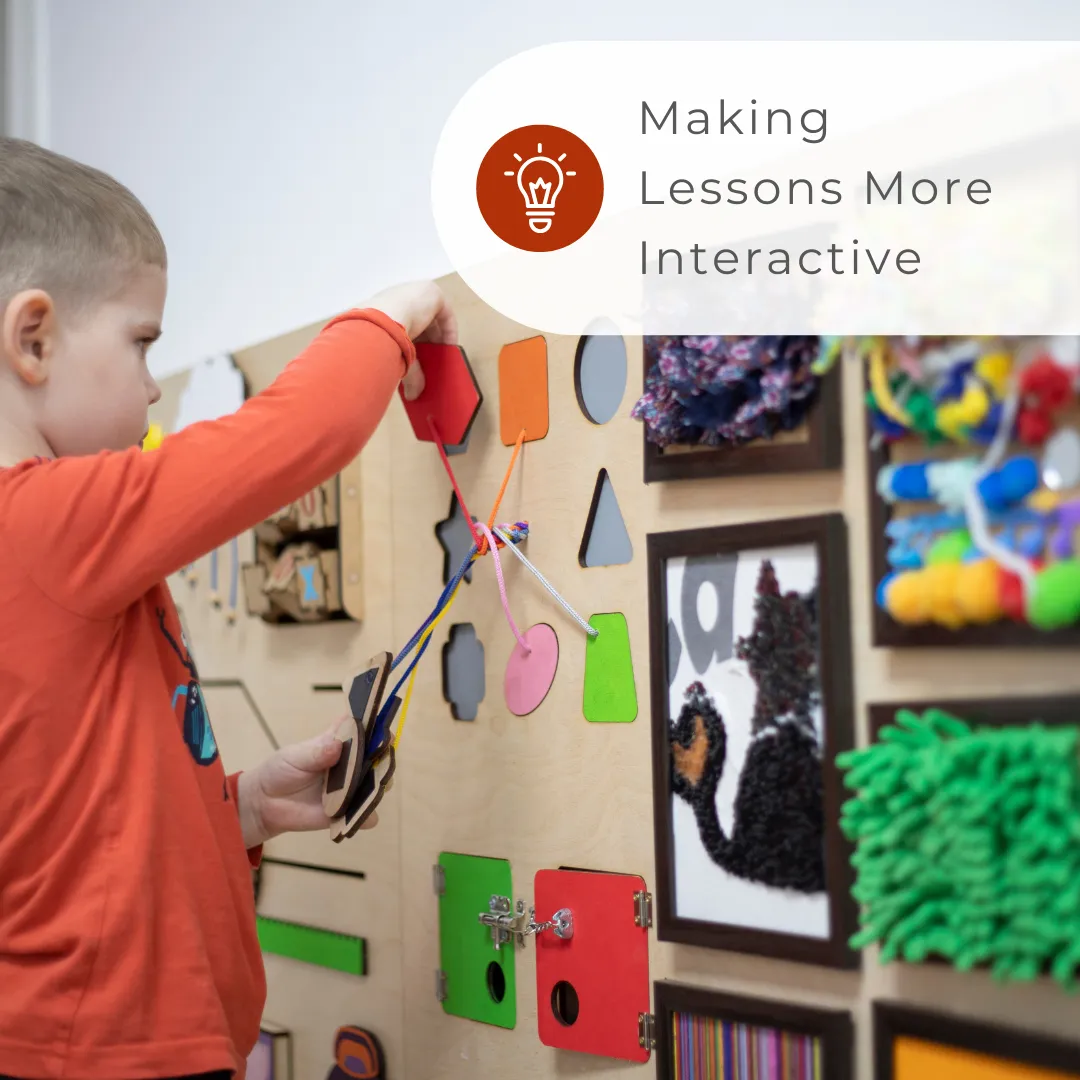
Teaching Skills for the Modern Classroom: Making Lessons More Interactive
This is article #4 of 5 in the Teaching Skills for the Modern Classroom Series
Introduction
Many high school learners struggle to stay focused during lessons, especially when learning feels passive—listening to explanations or copying notes without participation. Active learning, however, encourages learners to think, respond, and apply knowledge, making lessons more effective and enjoyable.
Making lessons interactive is not just about keeping learners busy—it helps them understand concepts better, retain information longer, and develop important skills like teamwork and communication.
This article provides simple, practical strategies to make your lessons more interactive and learner-centered.
Why Interactive Lessons Matter
1. Increases Engagement
Interactive lessons:
Capture learners’ attention
Reduce boredom
Encourage participation
Learners who are actively involved are more likely to remember what they learn.
2. Improves Understanding
When learners discuss, ask questions, or solve problems:
They process information more deeply
They connect ideas to prior knowledge
They clarify misunderstandings
3. Builds Key Skills
Interactive lessons help learners develop:
Critical thinking
Communication
Collaboration
Problem-solving
These skills are valuable for exams and life beyond school.
4. Encourages Independence
Learners who participate:
Take ownership of their learning
Learn to think for themselves
Build confidence in their abilities
Common Challenges
Educators may find it difficult to make lessons interactive because:
Classes are large
Time is limited
Some learners are shy
Teachers feel pressure to “cover the syllabus”
Despite these challenges, small changes can make a big difference.
Practical Strategies to Make Lessons Interactive
1. Ask Questions Frequently
Use open-ended questions
Ask learners to explain their thinking
Give wait time for responses
This encourages learners to think actively and engage with the lesson.
2. Use Think-Pair-Share
Think: Learners consider a question individually
Pair: Discuss their ideas with a partner
Share: Present their answers to the class
This works well in large or mixed-ability classes.
3. Include Problem-Solving Activities
Present learners with real or simulated problems
Let them work individually or in groups to find solutions
Discuss different approaches
This develops critical thinking and teamwork.
4. Incorporate Games and Quizzes
Use games to review content
Include short quizzes during lessons
Encourage friendly competition
This makes learning fun while reinforcing knowledge.
5. Use Group Work and Peer Teaching
Assign learners to small groups
Let them teach each other a concept
Rotate roles to involve everyone
Learners often understand ideas better when explaining them to peers.
6. Integrate Technology
Use presentation tools, online quizzes, or educational apps
Show videos or animations to illustrate concepts
Encourage learners to create digital projects
Technology can make lessons more interactive and visually engaging.
7. Incorporate Discussions and Debates
Encourage learners to discuss topics in pairs or groups
Organize debates on relevant subjects
Guide learners to support arguments with evidence
This develops critical thinking, communication, and confidence.
8. Use Hands-On Activities
Experiments in science
Role-playing scenarios
Building models or creating projects
Hands-on learning helps learners understand concepts practically.
9. Encourage Learner Questions
Ask learners to generate questions about the topic
Answer and discuss these questions during the lesson
Reward curiosity and participation
10. Reflect and Give Feedback
Allow time at the end of the lesson for learners to reflect on what they learned
Ask: “What did you enjoy? What was challenging?”
Provide constructive feedback
Reflection helps learners consolidate knowledge and improves engagement.
Creating an Interactive Classroom Environment
1. Encourage Participation
Use a variety of activities
Rotate learners to ensure everyone is involved
2. Make Mistakes Safe
Celebrate effort and learning from mistakes
Avoid criticism for wrong answers
3. Be Flexible
Adapt activities based on learner responses
Modify tasks for different abilities
4. Set Clear Expectations
Explain rules for discussions, group work, and activities
Ensure learners know how to participate respectfully
Signs of an Interactive Classroom
You will notice improvement when learners:
Ask questions and share ideas
Participate actively in activities
Work well in groups
Apply knowledge independently
Show enthusiasm and curiosity
Overcoming Common Challenges
Large Classes
Use pair or small group activities
Assign roles to ensure participation
Limited Time
Use short interactive activities
Focus on key concepts rather than covering everything
Shy Learners
Start with written or partner activities
Build confidence gradually
Praise contributions to encourage participation
Checklist: Making Lessons More Interactive
Daily Checklist
I ask open-ended questions regularly
I give learners time to think and respond
I encourage learner discussion
I include hands-on or problem-solving activities
I use technology or visuals where appropriate
Weekly Checklist
I include group work and peer teaching
I use quizzes, games, or competitions
I allow learners to generate questions
I include reflection and feedback sessions
Classroom Environment Checklist
Learners feel safe to participate
Mistakes are accepted as part of learning
Participation is encouraged for all learners
Lessons are varied and engaging
Conclusion
Making lessons interactive is one of the most effective ways to engage learners, improve understanding, and build essential skills. You do not need complex technology or extra resources—simple strategies like asking questions, using group work, and including hands-on activities can transform your lessons.
Start small, be consistent, and gradually incorporate interactive techniques into your teaching. Over time, your classroom will become a dynamic learning environment where learners are active, curious, and confident in their abilities.
Related Articles in the Teaching Skills for the Modern Classroom Series
Teaching Critical Thinking in High School
Encouraging Questions and Curiosity
Teaching Problem-Solving Skills
Making Lessons More Interactive
Supporting Learners with Exam Anxiety
Disclaimer
AI Tools were used to assist with research. Remember to always cross-check everything that you read.