
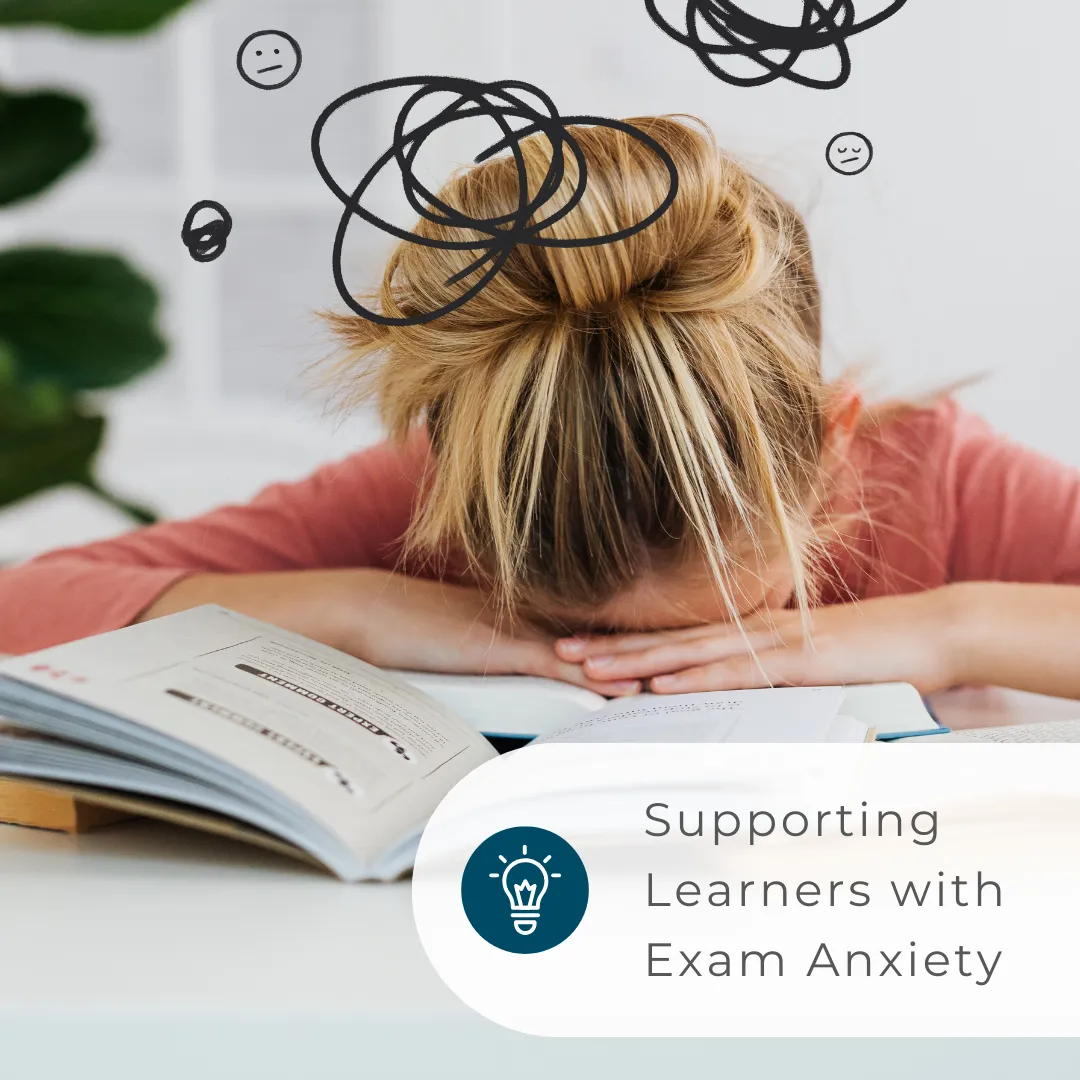
Teaching Skills for the Modern Classroom: Supporting Learners with Exam Anxiety
This is article #5 of 5 in the Teaching Skills for the Modern Classroom Series
Introduction
Exams can be stressful for learners. Even well-prepared students sometimes feel nervous, overwhelmed, or unable to focus. This anxiety can affect performance, lower confidence, and make learners doubt their abilities.
As an educator, you play a vital role in helping learners manage stress and develop coping strategies. Supporting learners with exam anxiety is not just about improving grades—it’s about promoting mental well-being and helping learners develop resilience.
This article provides practical, simple strategies for educators to support learners before and during exams.
Understanding Exam Anxiety
Exam anxiety is a feeling of nervousness or worry about tests. Symptoms may include:
Rapid heartbeat or sweating
Difficulty concentrating
Feeling sick or tense
Forgetting studied material
Negative thoughts like “I will fail”
Exam anxiety is normal, but excessive anxiety can affect performance. Teaching learners how to manage it can make a significant difference.
Why Supporting Learners Matters
1. Improves Exam Performance
Learners who manage anxiety:
Focus better
Recall information more effectively
Approach questions calmly
2. Builds Confidence
Supportive strategies help learners:
Believe in their abilities
Feel prepared
Reduce fear of failure
3. Promotes Mental Health
Helping learners cope with stress:
Reduces anxiety levels
Improves sleep and focus
Encourages a balanced approach to exams
Common Causes of Exam Anxiety
Fear of failure
Poor preparation or time management
High expectations from parents or teachers
Comparing themselves with peers
Past negative experiences in exams
Understanding the cause helps you provide targeted support.
Practical Strategies to Support Learners
1. Teach Relaxation Techniques
Simple relaxation exercises can calm nerves:
Deep breathing: Inhale for 4 counts, hold for 4, exhale for 4
Muscle relaxation: Tense and release muscles
Visualization: Imagine completing the exam successfully
Practice these techniques in class before exams.
2. Encourage Positive Thinking
Help learners replace negative thoughts with positive ones:
Replace “I will fail” with “I am prepared and I can do this”
Praise effort and improvement, not just results
Teach affirmations: “I am capable,” “I will try my best”
3. Teach Time Management and Study Skills
Learners feel more confident when prepared:
Make a realistic study timetable
Break study sessions into manageable chunks
Review past papers regularly
Prioritize difficult topics early
Good preparation reduces anxiety.
4. Practice Exams and Mock Tests
Familiarity reduces fear:
Simulate exam conditions
Practice timing and format
Discuss common mistakes
Provide feedback on performance
5. Create a Supportive Classroom Environment
Encourage learners to share their worries
Avoid comparing learners publicly
Remind learners that effort is valued more than perfection
6. Encourage Healthy Lifestyle Habits
Good habits reduce stress:
Adequate sleep before exams
Healthy meals and snacks
Regular physical activity
Short breaks during study sessions
7. Teach Coping Strategies During Exams
Read instructions carefully
Tackle easier questions first
Take deep breaths if feeling overwhelmed
Skip and return to difficult questions
These strategies help learners stay calm and focused.
8. Support Shy or Highly Anxious Learners
Some learners may not speak up:
Check in individually
Offer reassurance and encouragement
Suggest simple strategies they can use quietly during exams
9. Involve Parents Positively
Parents can help reduce anxiety:
Encourage realistic expectations
Support study schedules without pressure
Praise effort and persistence, not just marks
10. Reflect After Exams
After exams, discuss:
What worked well
Which strategies helped
How to improve next time
Reflection builds confidence and resilience for future exams
Creating an Anxiety-Supportive Classroom
1. Normalize Anxiety
Let learners know anxiety is common
Encourage open discussion about worries
2. Encourage Peer Support
Learners can study together
Share strategies that work for them
3. Celebrate Effort and Growth
Recognize improvement
Highlight progress, not only final marks
Signs That Support Is Working
You will notice learners:
Feel calmer and more confident
Approach exams with less fear
Use coping strategies independently
Show improved concentration and performance
Participate actively in revision sessions
Overcoming Common Challenges
High Stress Levels
Start anxiety management early
Incorporate regular relaxation exercises
Reluctant Learners
Offer one-on-one support
Praise small steps and improvements
Time Constraints
Integrate short stress-relief exercises in class
Encourage consistent daily habits
Checklist: Supporting Learners with Exam Anxiety
Daily Checklist
I encourage learners to share worries
I teach relaxation or breathing techniques
I use positive reinforcement
I provide clear instructions and support
I remind learners to take breaks and care for themselves
Weekly Checklist
I simulate practice exams
I review study and revision strategies
I discuss coping strategies for stressful situations
I provide individual support when needed
Classroom Environment Checklist
Learners feel safe to express concerns
Mistakes are viewed as learning opportunities
Effort is valued over results
Support and encouragement are consistent
Conclusion
Exam anxiety can affect learners’ confidence, focus, and performance, but it can be managed. By providing support, teaching coping strategies, and creating a calm and positive classroom environment, you help learners face exams with confidence and perform to their potential.
Start by integrating small strategies—relaxation exercises, positive reinforcement, and practice tests. Over time, your learners will develop resilience, confidence, and the skills to handle exam stress successfully.
Related Articles in the Teaching Skills for the Modern Classroom Series
Teaching Critical Thinking in High School
Encouraging Questions and Curiosity
Teaching Problem-Solving Skills
Making Lessons More Interactive
Supporting Learners with Exam Anxiety
Disclaimer
AI Tools were used to assist with research. Remember to always cross-check everything that you read.