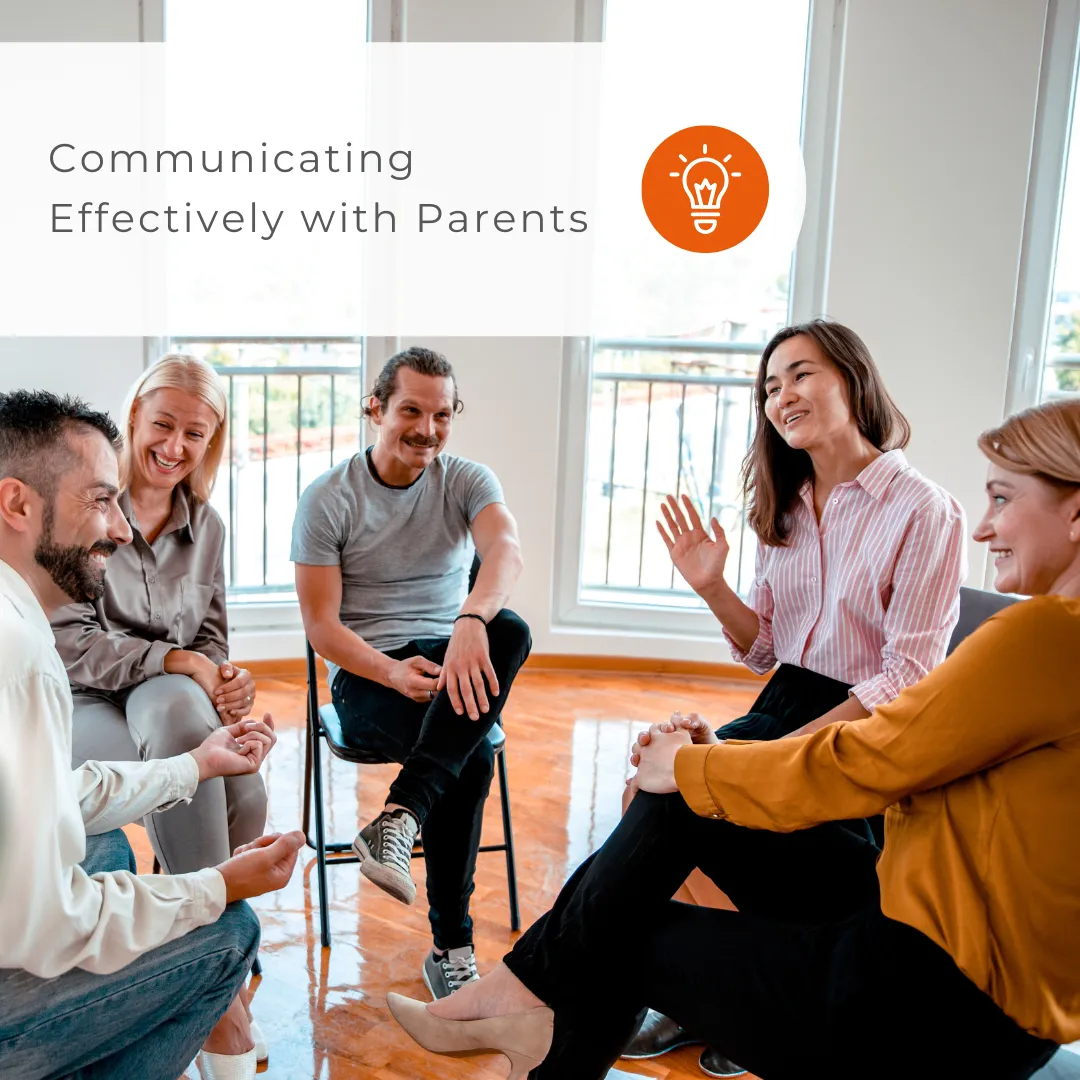
Communication & Relationships: Communicating Effectively with Parents
This is article #2 of 5 in the Communication & Relationships Series
Introduction
Effective communication between educators and parents plays a critical role in learner success. When schools and families work together, learners receive consistent support both at home and in the classroom. However, communicating with parents is not always easy. Time constraints, language barriers, and misunderstandings can create challenges. Despite this, clear and respectful communication helps build trust, reduces conflict, and improves academic outcomes. This article provides practical strategies that educators can use to communicate confidently and professionally with parents, while maintaining strong, positive relationships.
1. Why Parent Communication Matters
Parents are an important part of a learner’s support system. When educators and parents communicate well, learners benefit.
Benefits of effective communication:
Improved learner behaviour
Increased academic support at home
Better understanding of learner challenges
Stronger trust between school and family
Key Insight: When parents and teachers work as a team, learners are more likely to succeed.
2. Common Challenges in Parent Communication
Understanding challenges helps educators prepare and respond effectively.
2.1 Time Constraints
Educators often have limited time to communicate with every parent.
2.2 Language Barriers
Parents and educators may not share the same first language.
2.3 Negative Perceptions
Parents may feel nervous or defensive when contacted by the school.
2.4 Lack of Parent Involvement
Some parents may be difficult to reach or less engaged.
Recognising these challenges allows educators to approach communication with patience and professionalism.
3. Establishing Positive Communication Early
Communication should not only happen when there is a problem.
3.1 Start the Year Positively
Introduce yourself early
Share your expectations
Explain how parents can support learning
3.2 Communicate Regularly
Provide updates about:
Class progress
Upcoming tests or assignments
General learner behaviour
3.3 Share Good News
Do not only contact parents when something is wrong. Positive messages build trust and reduce anxiety.
4. Choosing the Right Communication Method
Different situations require different communication methods.
4.1 Written Communication
Examples:
Emails
WhatsApp messages
School letters
Best for:
General updates
Reminders
Non-urgent communication
4.2 Phone Calls
Best for:
Urgent concerns
Personal discussions
Clarifying misunderstandings
4.3 Face-to-Face Meetings
Best for:
Serious concerns
Academic discussions
Building stronger relationships
Tip: Choose the method that is most appropriate for the situation and accessible to the parent.
5. Communicating Clearly and Professionally
Clear communication prevents misunderstandings.
5.1 Use Simple Language
Avoid complex terms
Keep messages short and clear
Consider language differences
5.2 Be Respectful
Use polite language
Avoid blaming or accusing
Show understanding
5.3 Stay Focused
Stick to the main issue and avoid unnecessary details.
6. Handling Difficult Conversations
At times, educators need to communicate concerns about behaviour or performance.
6.1 Prepare Before the Conversation
Gather facts
Be clear about the issue
Think about possible solutions
6.2 Start with Positives
Begin by mentioning something positive about the learner.
6.3 Be Honest but Respectful
Clearly explain the concern without blaming the parent or learner.
6.4 Work Towards Solutions
Focus on:
What can be improved
How both teacher and parent can help
7. Encouraging Parent Involvement
Parents are more likely to engage when they feel included and valued.
7.1 Provide Practical Suggestions
Help parents support learning at home:
Set study times
Check homework
Encourage reading
7.2 Invite Participation
Encourage parents to:
Attend meetings
Respond to messages
Ask questions
7.3 Show Appreciation
Thank parents for their support and involvement.
8. Managing Conflict Professionally
Conflict may arise, but it can be managed calmly and effectively.
8.1 Stay Calm
Do not react emotionally, even if the parent is upset.
8.2 Listen Actively
Allow parents to express their concerns without interruption.
8.3 Focus on the Learner
Keep the discussion centred on what is best for the learner.
8.4 Avoid Arguments
If needed, suggest involving school management to resolve the issue.
9. Maintaining Professional Boundaries
While communication should be friendly, it must remain professional.
9.1 Set Clear Limits
Define appropriate communication times
Avoid responding late at night
9.2 Keep Communication Formal
Even on platforms like WhatsApp, maintain professionalism.
9.3 Protect Confidentiality
Do not share sensitive information about learners with others.
10. Communicating in Diverse Communities
In many South African schools, diversity is a reality.
Strategies for diversity:
Be culturally respectful
Be patient with language differences
Use translation support where possible
Avoid assumptions
Understanding different backgrounds helps build stronger relationships with parents.
11. Long-Term Benefits of Strong Parent Communication
Consistent, effective communication leads to long-term success.
For learners:
Better academic performance
Improved behaviour
Increased confidence
For educators:
Fewer misunderstandings
Stronger support from parents
More positive classroom environment
Practical Checklist
Daily/Weekly Communication
I communicate regularly with parents, not only when problems arise
I share positive feedback about learners
My messages are clear and easy to understand
Professional Communication
I use respectful and polite language
I choose the correct communication method
I stay focused on the learner’s needs
Difficult Conversations
I prepare before speaking to parents
I start with positive feedback
I focus on solutions, not blame
Boundaries and Respect
I maintain professional boundaries
I respect confidentiality
I manage conflict calmly
Conclusion
Effective communication with parents is an essential skill for every educator. It builds trust, supports learner success, and strengthens the connection between school and home. While challenges may exist, clear, respectful, and consistent communication can overcome many barriers. By working together with parents, educators create a stronger support system that helps learners succeed both academically and personally.
Related Articles in the Communication & Relationships Series
Building Positive Relationships with Learners
Communicating Effectively with Parents
Managing Difficult Conversations with Parents
Working with School Management Effectively
Supporting Learners Emotionally as Well as Academically
Disclaimer
AI Tools were used to assist with research. Remember to always cross-check everything that you read.