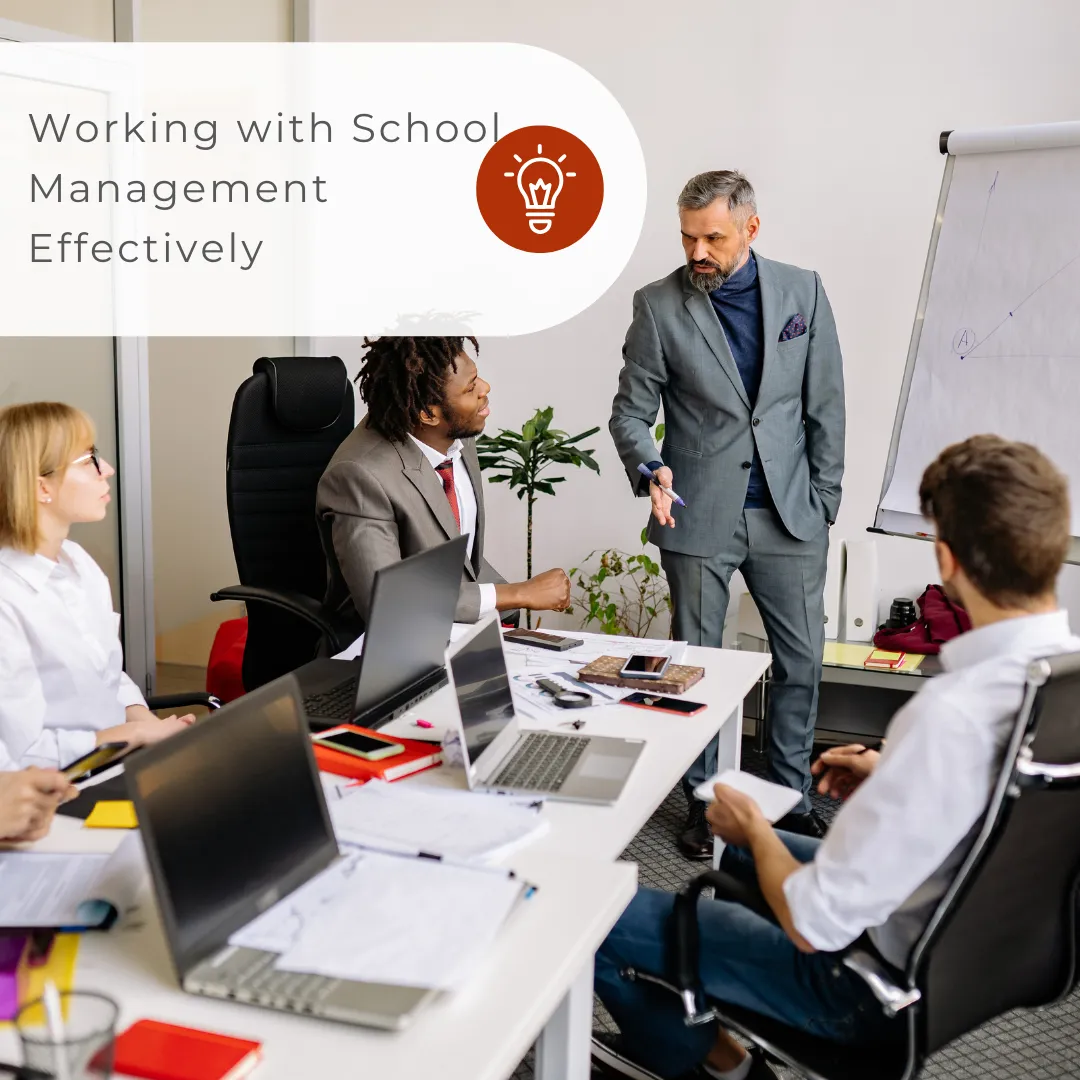
Communication & Relationships: Working with School Management Effectively
This is article #4 of 5 in the Communication & Relationships Series
Introduction
A well-functioning school depends on strong collaboration between educators and school management. While teachers focus on classroom instruction, school management teams provide leadership, direction, and support to ensure the entire school operates smoothly. However, working with management can sometimes feel challenging due to differences in expectations, communication styles, or workload pressures. When educators understand how to collaborate effectively with management, it leads to a more positive work environment, better organisation, and improved learner outcomes. This article provides practical strategies to help educators build professional, respectful, and productive relationships with school management.
1. Understanding the Role of School Management
To work effectively with management, educators must understand their responsibilities.
School management typically includes:
The principal
Deputy principals
Heads of department (HODs)
Key responsibilities of management:
Setting school policies and expectations
Supporting teaching and learning
Managing staff and resources
Ensuring discipline and school standards
Key Insight: Management and educators share the same goal—learner success.
2. Why Collaboration with Management Matters
Strong teamwork between educators and management benefits the entire school.
Benefits include:
Better organisation and planning
Clear communication of expectations
Improved classroom support
Reduced conflict and misunderstandings
When educators and management work together, schools operate more efficiently.
3. Communicating Professionally with Management
Clear and respectful communication is essential.
3.1 Be Clear and Direct
Share information accurately
Avoid unnecessary details
Communicate concerns early
3.2 Use the Correct Channels
Follow school procedures when:
Reporting issues
Requesting support
Sharing feedback
3.3 Maintain Professional Tone
Even when disagreeing:
Remain respectful
Focus on solutions
Avoid emotional reactions
4. Understanding Expectations
Misunderstandings often occur when expectations are unclear.
4.1 Know Your Responsibilities
Teaching duties
Administrative tasks
Extracurricular involvement
4.2 Clarify When Needed
If unsure:
Ask questions
Request guidance
Confirm deadlines
4.3 Meet Deadlines
Submitting work on time builds trust and reliability.
5. Being a Team Player
Schools function best when staff work together.
5.1 Support School Initiatives
Participate in school programmes
Follow policies and procedures
5.2 Collaborate with Colleagues
Work with other educators to:
Share ideas
Solve problems
Improve teaching strategies
5.3 Contribute Positively
Maintain a constructive attitude, even during challenges.
6. Handling Feedback from Management
Feedback is part of professional growth.
6.1 Accept Feedback Professionally
Listen carefully
Avoid becoming defensive
Ask for clarification if needed
6.2 Reflect on Feedback
Consider how to improve your teaching or approach.
6.3 Take Action
Apply suggestions where possible to show willingness to grow.
7. Raising Concerns Effectively
At times, educators may need to raise concerns.
7.1 Choose the Right Time
Avoid raising issues during stressful or busy moments.
7.2 Be Solution-Focused
Instead of only highlighting problems:
Suggest possible solutions
Offer constructive ideas
7.3 Remain Professional
Avoid complaints in informal settings
Use proper communication channels
8. Managing Conflict with School Management
Conflict may arise, but it can be handled professionally.
8.1 Stay Calm
Do not react emotionally.
8.2 Focus on the Issue
Avoid making the situation personal.
8.3 Seek Resolution
Aim for understanding
Be open to compromise
8.4 Involve Higher Authority if Needed
If unresolved, follow formal procedures.
9. Building Trust with Management
Trust is built over time through consistent actions.
9.1 Be Reliable
Meet deadlines
Follow through on commitments
9.2 Show Initiative
Take responsibility and look for ways to improve.
9.3 Maintain Professional Conduct
Be punctual
Be prepared
Be respectful
10. Supporting a Positive School Culture
Educators play a key role in shaping the school environment.
10.1 Promote Respect
Respect management decisions
Encourage a positive atmosphere
10.2 Stay Solution-Oriented
Focus on improvement rather than complaints.
10.3 Lead by Example
Your behaviour influences learners and colleagues.
11. Long-Term Benefits of Strong Collaboration
Working well with school management has lasting benefits.
For educators:
Better support and guidance
Professional growth opportunities
Reduced workplace stress
For learners:
More organised learning environment
Consistent expectations
Improved academic outcomes
Practical Checklist
Professional Communication
I communicate clearly and respectfully with management
I use the correct communication channels
I raise concerns in a professional manner
Work Responsibilities
I understand my role and responsibilities
I meet deadlines consistently
I follow school policies
Teamwork
I support school initiatives
I collaborate with colleagues
I contribute positively to the school environment
Professional Growth
I accept feedback constructively
I reflect on ways to improve
I take initiative when possible
Conclusion
Working effectively with school management is essential for a successful teaching environment. By communicating clearly, understanding expectations, and maintaining professionalism, educators can build strong, respectful relationships with management. This collaboration not only supports educators in their roles but also creates a more organised and positive learning environment for learners. When educators and management work together as a team, the entire school benefits.
Related Articles in the Communication & Relationships Series
Building Positive Relationships with Learners
Communicating Effectively with Parents
Managing Difficult Conversations with Parents
Working with School Management Effectively
Supporting Learners Emotionally as Well as Academically
Disclaimer
AI Tools were used to assist with research. Remember to always cross-check everything that you read.