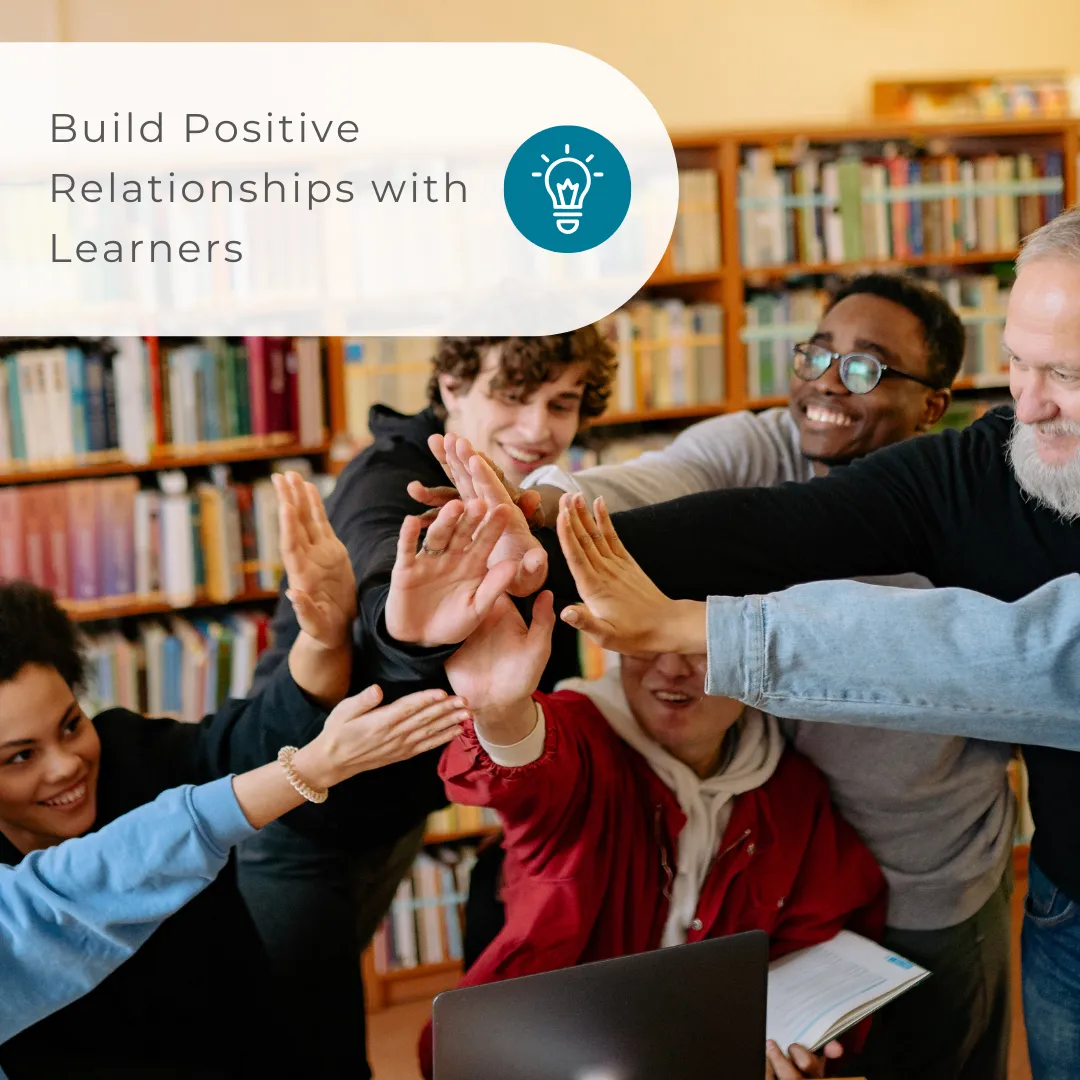
Communication & Relationships: Building Positive Relationships with Learners
This is article #1 of 5 in the Communication & Relationships Series
Introduction
In every successful classroom, one factor stands out above all others: strong relationships between educators and learners. When learners feel respected, understood, and supported, they are more likely to participate, behave well, and achieve better results. Building positive relationships is not about being a “friend” to learners—it is about creating trust, fairness, and a safe learning environment. Many learners face academic pressure, social challenges, and uncertainty about their future. This article provides practical, easy-to-follow strategies that educators can use to build meaningful, professional relationships that support both behaviour and academic success.
1. Why Positive Relationships Matter
Positive educator-learner relationships are the foundation of effective teaching and learning. Without trust and respect, even the best lessons may fail.
When strong relationships exist:
Learners feel safe to ask questions
Participation increases
Discipline problems decrease
Learners are more motivated
When relationships are weak:
Learners may disengage
Behaviour issues increase
Learning becomes less effective
Key Insight: Learners are more willing to learn from teachers they trust and respect.
2. Understanding the Needs of Learners
High school learners deal with many challenges that can affect their behaviour and performance.
These may include:
Academic pressure
Peer influence
Family expectations
Emotional stress
Educators who recognise these challenges are better able to respond with patience and understanding. This does not mean lowering standards, but rather supporting learners while maintaining clear expectations.
3. Building Trust in the Classroom
Trust is the starting point of any strong relationship.
3.1 Learn and Use Learners’ Names
Using names shows respect and helps learners feel recognised.
3.2 Show Genuine Interest
Small questions like:
“How was your weekend?”
“Did you understand yesterday’s lesson?”
These build connection over time.
3.3 Be Consistent
Learners need to know:
What is expected
What behaviour is acceptable
That rules apply equally to everyone
3.4 Keep Your Promises
If you promise to return marked work or help a learner, follow through. Reliability builds trust.
4. Creating a Respectful Classroom Environment
Respect must be shown by both the educator and the learners.
4.1 Model Respectful Behaviour
Speak calmly and politely
Avoid sarcasm or embarrassment
Listen when learners speak
4.2 Set Clear Boundaries
Being kind does not mean being lenient. Clear rules help learners feel secure.
4.3 Encourage Participation
Create a safe space where learners feel comfortable:
Asking questions
Sharing ideas
Making mistakes
5. Balancing Authority and Approachability
A common challenge is finding the right balance between being strict and being approachable.
Effective educators:
Are firm but fair
Maintain clear boundaries
Show care and understanding
Practical Tip: Be “warm and strict” at the same time—friendly, but consistent with rules.
6. Using Positive Communication
Communication plays a key role in relationship building.
6.1 Use Positive Language
Instead of:
“You are always late”
Say:
“I need you to be on time so you can succeed.”
6.2 Give Constructive Feedback
Focus on the work, not the learner
Highlight strengths
Suggest improvements
6.3 Recognise Effort
Not all learners perform at the same level, but effort should always be acknowledged.
7. Managing Discipline Without Damaging Relationships
Discipline is necessary, but it should not harm the relationship with learners.
7.1 Focus on Behaviour, Not the Learner
Correct the action, not the person.
7.2 Stay Calm
Avoid emotional reactions. Calm responses maintain control.
7.3 Use Private Conversations
Correcting behaviour privately helps:
Protect dignity
Build trust
Reduce conflict
7.4 Be Fair and Consistent
Fair treatment builds respect and credibility.
8. Building Relationships in Large Classes
Large classrooms can make individual attention difficult, but small actions still matter.
Strategies:
Greet learners at the door
Move around the classroom
Use group activities
Rotate attention among learners
Even short, positive interactions can build strong relationships over time.
9. Supporting Learners Beyond Academics
Learners often need emotional support as well as academic guidance.
9.1 Be Approachable
Learners should feel comfortable speaking to you.
9.2 Encourage Confidence
Help learners believe they can improve through effort.
9.3 Know Your Limits
Refer serious issues to:
School counsellors
School management
Educators should support, not replace professional services.
10. Common Mistakes to Avoid
Avoid these behaviours that can damage relationships:
Showing favouritism
Ignoring quieter learners
Using sarcasm or harsh criticism
Being inconsistent with rules
Taking behaviour personally
Awareness of these mistakes helps educators improve their approach.
11. Long-Term Impact of Strong Relationships
Positive relationships have lasting effects beyond the classroom.
Learners who feel supported are more likely to:
Stay motivated
Improve academically
Develop confidence
Build respect for authority
Many learners remember how teachers treated them long after they forget the content taught.
Practical Checklist
Daily Actions
I greet my learners at the start of each lesson
I use learners’ names regularly
I speak respectfully at all times
I remain calm when correcting behaviour
Weekly Actions
I have a positive interaction with each learner
I recognise effort, not just results
I provide clear, constructive feedback
Classroom Environment
My classroom is safe and respectful
Learners feel comfortable participating
Rules are clear and applied consistently
Self-Reflection
I reflect on my interactions with learners
I avoid favouritism
I look for ways to improve relationships
Conclusion
Building positive relationships with learners is one of the most powerful ways to improve teaching and learning. It requires consistency, fairness, and genuine care. When learners feel respected and supported, they are more motivated, better behaved, and more willing to learn. By focusing on relationships, educators can create a classroom environment where both they and their learners can succeed.
Related Articles in the Communication & Relationships Series
Building Positive Relationships with Learners
Communicating Effectively with Parents
Managing Difficult Conversations with Parents
Working with School Management Effectively
Supporting Learners Emotionally as Well as Academically
Disclaimer
AI Tools were used to assist with research. Remember to always cross-check everything that you read.