
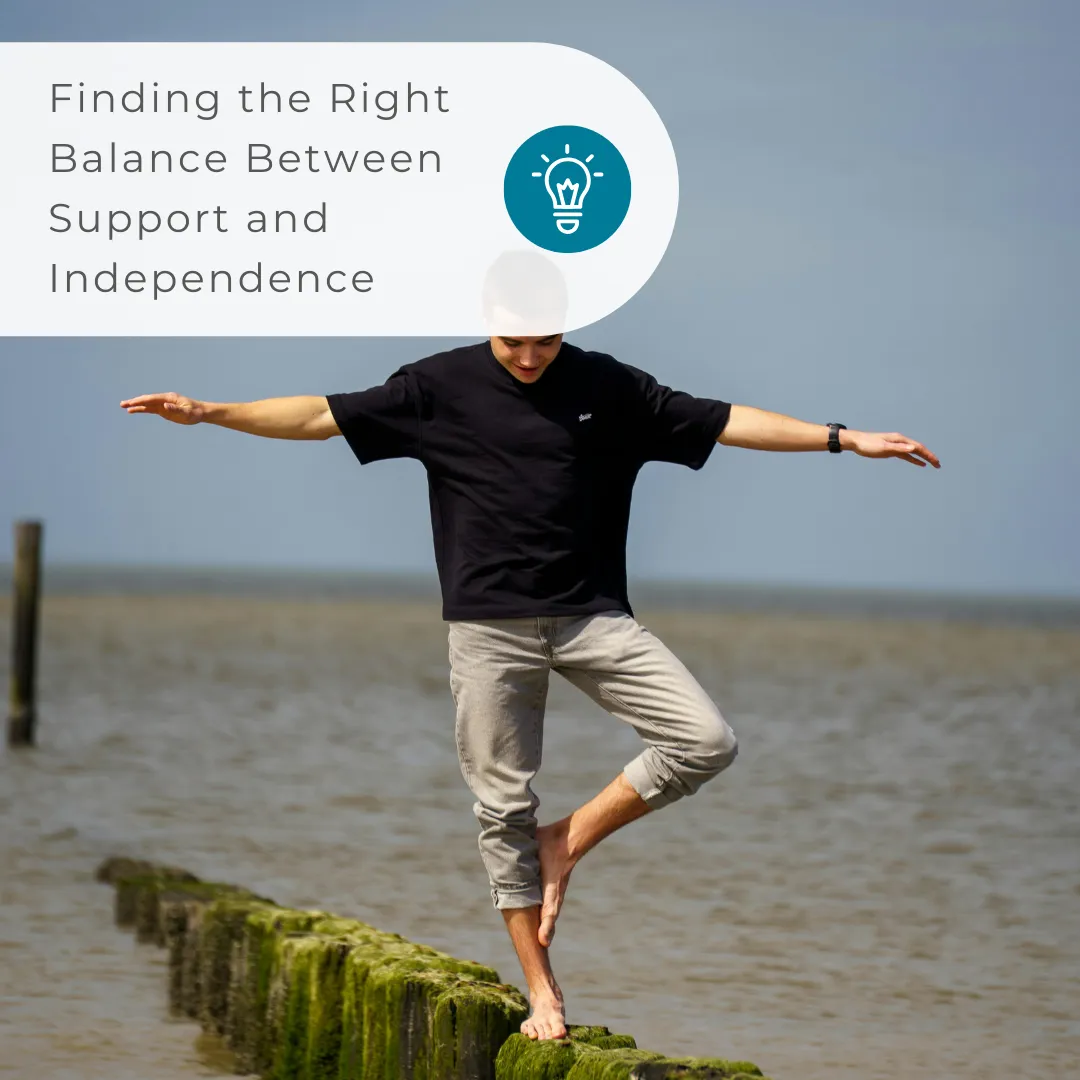
Parental Involvement & Boundaries: Finding the Right Balance Between Support and Independence
This is article #1 of 5 in the Parental Involvement & Boundaries Series
Introduction
When your child reaches Grades 10–12, school becomes more serious and demanding. Subjects get harder, exams become more important, and pressure increases. As a parent, it is natural to want to help your child succeed.
But there is an important question: How much help is too much help?
If you support too much, your child may become dependent on you. If you step back too much, they may feel alone or lost. The goal is to find a healthy balance between support and independence.
This article will help you understand when to step in, when to step back, and how to build confidence in your child so they can succeed on their own.
Why Independence Matters in High School
Independence is not about leaving your child alone. It is about helping them learn to take responsibility for their own learning and decisions.
When learners become more independent, they:
Develop problem-solving skills
Learn to manage their time
Become more confident in their abilities
Prepare better for university or work
Depend less on constant reminders
High school is the perfect time to build these skills because learners are preparing for life after school.
The Role of Parents: Support, Not Control
Many parents feel they must closely monitor schoolwork to ensure success. While involvement is important, control can sometimes do more harm than good.
There is a difference between:
Support: guiding, encouraging, and helping your child think
Control: doing things for your child or making all decisions for them
Support builds independence. Control builds dependence.
Signs You May Be Over-Involved
It is sometimes hard to know if you are doing too much. Here are signs to look out for:
You constantly remind your child about homework or studying
You check every assignment in detail before it is submitted
You often speak to teachers without your child’s involvement
Your child waits for you to tell them what to do
Your child becomes anxious without your guidance
If these sound familiar, it may be time to step back slightly and allow your child more responsibility.
When You Should Step In
Even though independence is important, there are times when parental involvement is necessary.
You should step in when:
Your child is consistently failing or struggling
There are signs of stress, anxiety, or burnout
Your child does not understand a subject at all
There are school-related behavioural or emotional issues
Your child asks for help
In these moments, your role is to guide and support—not take over.
When You Should Step Back
Stepping back does not mean you stop caring. It means you allow your child to grow.
You should step back when:
Your child is capable of managing their homework
They understand their study material
They are making small mistakes but learning from them
They are developing their own study methods
They are becoming more responsible over time
Allowing space for mistakes is part of learning.
How to Build Healthy Independence
Here are practical ways to help your child become more independent while still feeling supported:
1. Let Them Plan Their Own Study Time
Instead of telling them when to study, help them create a study schedule. Guide them, but let them take ownership.
2. Ask Questions Instead of Giving Answers
Instead of saying, “Do it this way,” try asking:
“How do you think you should solve this?”
“What is your plan for this assignment?”
This encourages thinking.
3. Allow Natural Consequences
If your child forgets an assignment or performs poorly due to poor planning, resist the urge to fix it immediately. Let them experience the result and learn from it.
4. Encourage Problem-Solving
When your child has a problem, guide them through solutions instead of solving it for them.
5. Praise Effort, Not Just Results
Focus on effort, discipline, and improvement rather than only marks.
Building Trust Between Parent and Child
Trust is the foundation of independence. Your child needs to feel that you believe in their ability to manage schoolwork.
Ways to build trust:
Avoid constant checking or criticism
Show confidence in their decisions
Listen when they explain their challenges
Respect their study methods (even if different from yours)
When children feel trusted, they are more likely to take responsibility.
Common Mistakes Parents Make
Even well-meaning parents can sometimes slow down independence. Common mistakes include:
Doing homework “together” but actually doing most of it
Panicking over every low mark
Comparing your child to others
Not allowing space for failure
Taking over communication with teachers completely
Avoiding these mistakes helps your child grow stronger and more capable.
The Long-Term Goal
The goal of parenting a high school learner is not just good grades. It is to raise a responsible, confident young adult who can:
Think independently
Solve problems
Manage time and pressure
Make informed decisions
These skills are more important than any single exam result.
Conclusion
Finding the right balance between support and independence is not always easy. It requires patience, trust, and adjustment over time.
Remember:
Too much support can create dependence
Too much independence too soon can create stress
The right balance builds confidence and success
Your role is not to control every step, but to guide your child until they can walk confidently on their own.
Checklist: Supporting Independence in High School Learners
I allow my child to plan some of their own study time
I ask questions instead of always giving answers
I avoid doing schoolwork for my child
I let my child make small mistakes and learn from them
I communicate with teachers when necessary, not constantly
I focus on effort and progress, not only marks
I encourage my child to solve problems independently
I show trust in my child’s ability to manage schoolwork
I step in only when there is real academic or emotional need
I regularly check if I am being too controlling or too distant
Related Articles in the Parental Involvement & Boundaries Series
Finding the Right Balance Between Support and Independence
When to Get Extra Academic Support
Working with Teachers and Schools Effectively
Understanding Your Role in Your Child’s Education
Supporting Learners Without Micromanaging
Disclaimer
AI Tools were used to assist with research. Remember to always cross-check everything that you read.