
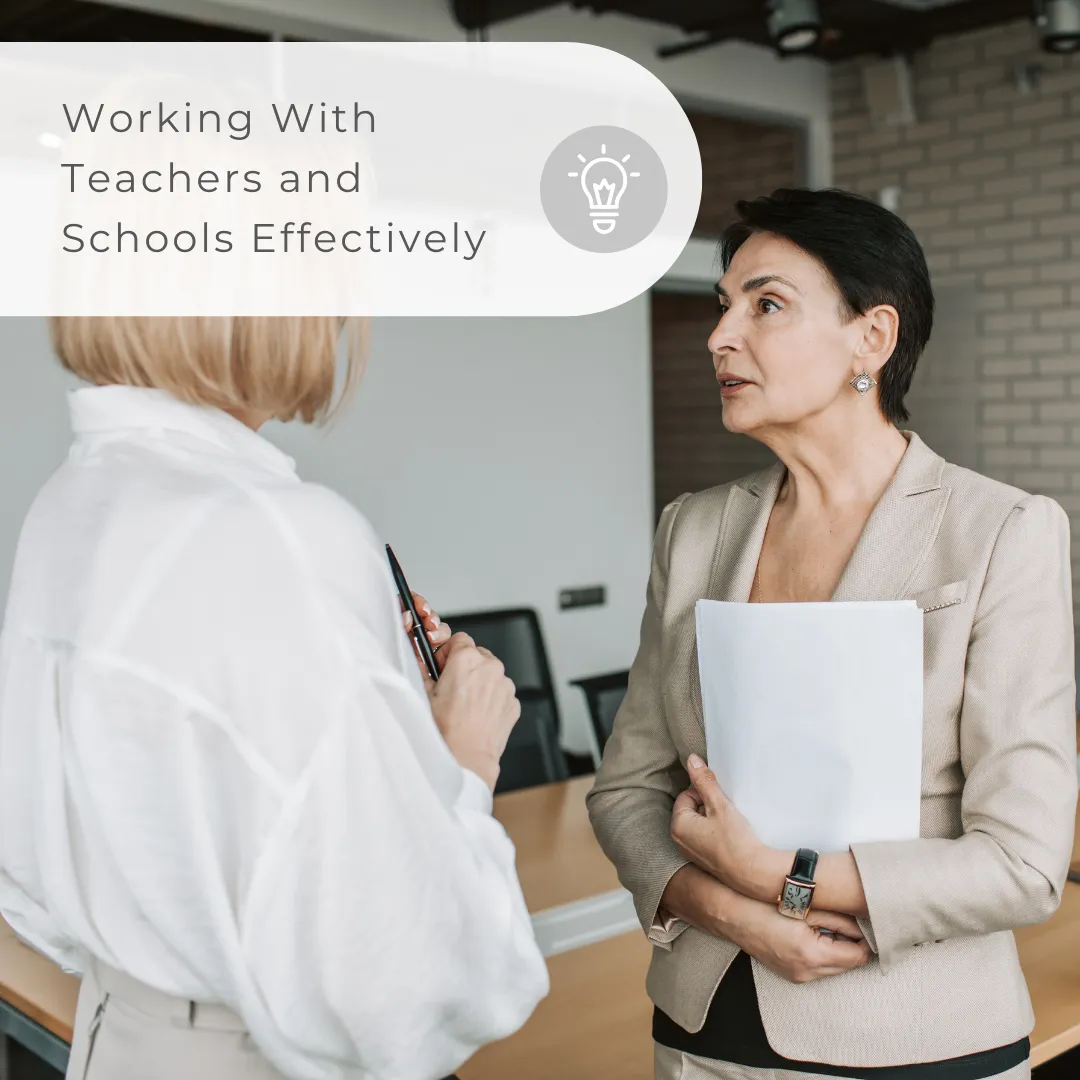
Parental Involvement & Boundaries: Working with Teachers and Schools Effectively
This is article #3 of 5 in the Parental Involvement & Boundaries Series
Introduction
When your child is in high school, success is not only about what happens at home. A big part of their learning journey happens at school with teachers, classmates, and the school system.
Many parents only contact the school when there is a problem. However, strong and regular communication with teachers can improve your child’s performance, confidence, and attitude toward learning.
This article explains how parents can build positive relationships with schools and teachers in a simple and effective way, without creating conflict or confusion.
Why Working with Schools Matters
Teachers spend a large amount of time with your child and understand their academic strengths and weaknesses. When parents and teachers work together, learners benefit in many ways:
Better academic performance
Early identification of learning problems
Improved behaviour and discipline
Stronger motivation to succeed
Clear communication between home and school
When parents and schools work as a team, learners receive consistent support from both sides.
Common Mistakes Parents Make
Before learning what to do, it helps to understand what to avoid:
Only contacting teachers when there is a complaint
Becoming defensive during feedback conversations
Not attending parent meetings or school events
Speaking for the child instead of involving them
Ignoring school communication messages
These habits can create distance between parents and teachers, making support less effective.
How to Build a Positive Relationship with Teachers
A good relationship with teachers does not require constant communication. It requires respect, consistency, and cooperation.
1. Introduce Yourself Early in the Year
At the start of the school year, take time to introduce yourself to key subject teachers. This builds a foundation of communication before problems arise.
2. Attend Parent Meetings and School Events
These meetings are not just formalities. They are valuable opportunities to:
Understand your child’s progress
Ask questions about performance
Learn about classroom expectations
Show teachers that you are involved and supportive
3. Communicate Respectfully and Clearly
When you contact a teacher:
Be polite and calm
Be clear about your concern
Avoid blaming language
Focus on finding solutions
For example, instead of saying: ❌ “You are not teaching my child properly.”
Say: ✔️ “My child is struggling with this topic. Can you advise how we can support them better?”
4. Keep Communication Focused on Learning
Try to focus discussions on:
Academic progress
Study habits
Behaviour in class
Assessment results
Avoid unrelated issues or emotional arguments during school communication.
When Should Parents Contact Teachers?
It is important to know when communication is necessary. You should contact teachers when:
Your child’s marks suddenly drop
Your child is struggling with a specific subject
You notice repeated homework issues
Your child is unhappy or stressed about school
You need clarity on school expectations or assignments
Early communication can prevent bigger problems later.
How to Involve Your Child in School Communication
High school learners should gradually take responsibility for their own communication with teachers.
You can help by:
Encouraging your child to ask questions in class
Teaching them to email teachers politely when needed
Helping them prepare for meetings with teachers
Allowing them to explain their progress during discussions
This builds independence and responsibility.
Working with Teachers as a Team
Think of education as a partnership:
Teachers provide instruction and guidance at school
Parents provide support, structure, and encouragement at home
Learners are responsible for effort and participation
When all three work together, learning becomes more effective and less stressful.
How to Handle Difficult Conversations
Sometimes conversations with teachers may feel uncomfortable, especially if your child is struggling.
Here are some tips:
Stay calm and listen first
Ask for clarification instead of reacting immediately
Focus on solutions, not blame
Take notes if needed
Follow up on agreed actions
Remember, the goal is to help your child — not to win an argument.
Supporting Teachers at Home
You can strengthen the teacher’s impact by reinforcing learning at home:
Check that homework is completed
Encourage revision before tests
Support study routines
Ask your child what they learned each day
Show interest in school progress
This consistency helps learners take school more seriously.
Building Trust Between Parents and Schools
Trust makes communication easier and more effective. You build trust by:
Being consistent in communication
Respecting teacher feedback
Following through on agreed actions
Showing appreciation for teacher effort
Avoiding unnecessary complaints or assumptions
When teachers feel respected, they are more likely to support your child actively.
Checklist: Working with Teachers and Schools Effectively
I attend parent meetings and school events regularly
I communicate with teachers respectfully and clearly
I contact teachers when there are real academic concerns
I avoid blaming teachers during discussions
I involve my child in school communication when appropriate
I support learning routines at home
I focus communication on solutions, not complaints
I follow up on agreed actions with teachers
I encourage my child to take responsibility for school communication
I maintain a positive and cooperative relationship with the school
Conclusion
Working effectively with teachers and schools is one of the most powerful ways to support your child’s education.
When parents and teachers communicate well:
Problems are identified early
Learners receive consistent guidance
Academic performance improves
Confidence increases
You do not need to be involved in everything. You just need to be present, respectful, and cooperative at the right times.
A strong partnership between home and school gives your child the best chance to succeed in high school and beyond.
Related Articles in the Parental Involvement & Boundaries Series
Finding the Right Balance Between Support and Independence
When to Get Extra Academic Support
Working with Teachers and Schools Effectively
Understanding Your Role in Your Child’s Education
Supporting Learners Without Micromanaging
Disclaimer
AI Tools were used to assist with research. Remember to always cross-check everything that you read.