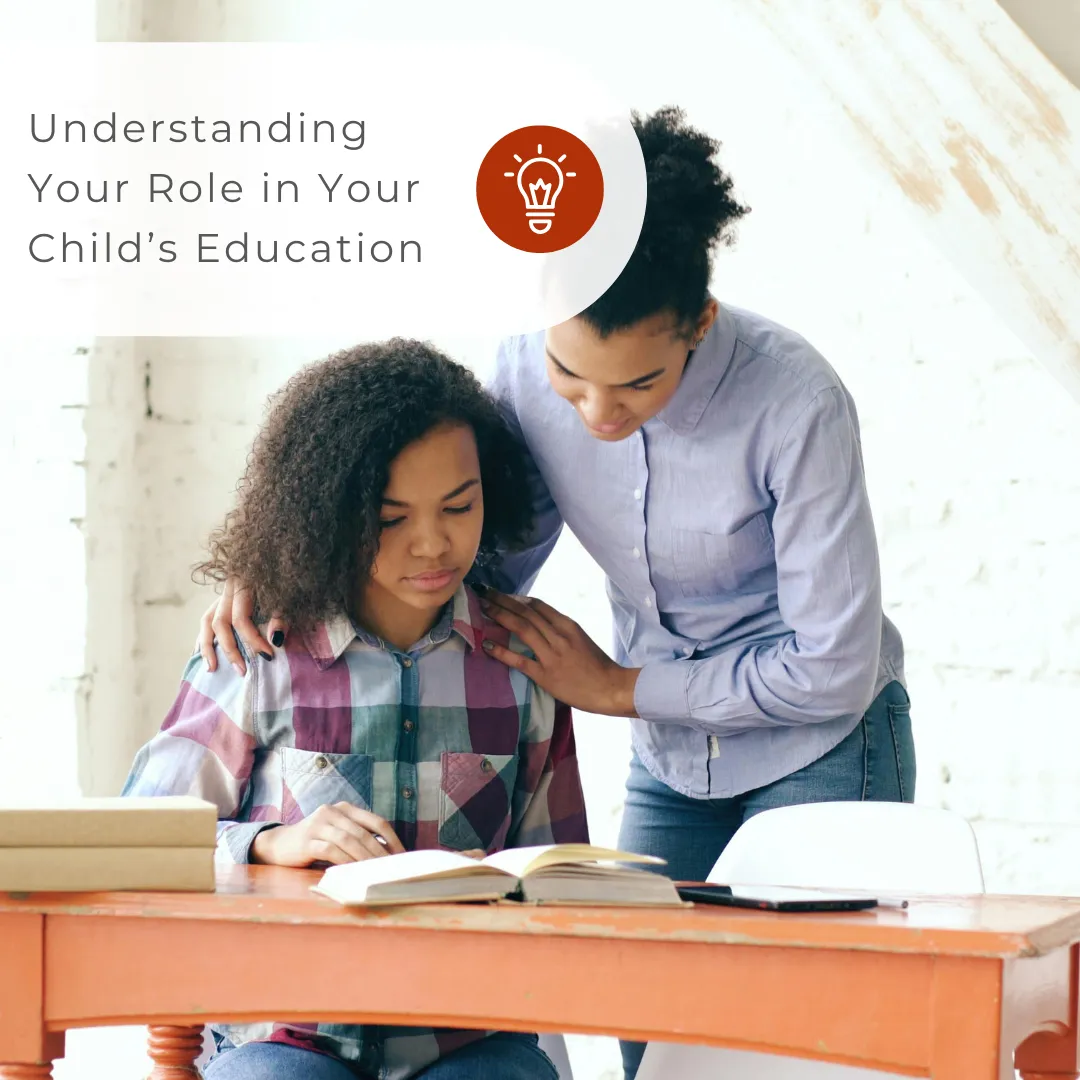
Parental Involvement & Boundaries: Understanding Your Role in Your Child’s Education
This is article #4 of 5 in the Parental Involvement & Boundaries Series
Introduction
As children move through high school, many parents start asking an important question: “How involved should I really be in my child’s education?”
In Grades 10–12, learners are expected to take more responsibility for their own learning. At the same time, parents still play a very important role in guiding, supporting, and encouraging them.
The challenge is finding the right balance. Too little involvement can leave a learner feeling unsupported. Too much involvement can prevent them from becoming independent.
This article explains what your real role as a parent is during high school, and how you can support your child in a healthy and effective way.
Your Role Is Changing in High School
In primary school, parents are often very involved in daily homework, reading, and school communication. But in high school, things begin to change.
Your role shifts from:
Doing things for your child
to
Doing things with and for their growth
High school learners need space to:
Make decisions
Manage their time
Learn from mistakes
Take responsibility for results
Your role becomes more about guidance than control.
The Three Key Roles of a Parent
In high school education, parents usually play three main roles:
1. The Supporter
You provide emotional and practical support:
Encouraging your child
Listening when they are stressed
Helping them stay motivated
Creating a stable home environment
2. The Guide
You help your child make better decisions:
Helping with study planning
Discussing subject choices
Advising on time management
Helping them set goals
3. The Monitor (Not Controller)
You stay aware of progress without controlling everything:
Checking progress reports
Observing study habits
Noticing warning signs early
Communicating with teachers when needed
What Your Role Is NOT
Many parents unintentionally take on roles that reduce independence. Your role is NOT to:
Do homework or assignments for your child
Constantly supervise every study session
Control every decision they make
Panic over every low mark
Compare them constantly to other learners
When parents take over too much, learners may become dependent and less confident.
Why Your Role Still Matters
Even though high school learners need independence, parental involvement is still very important.
Your involvement helps your child:
Stay disciplined and focused
Feel emotionally supported
Avoid giving up when things get difficult
Develop better habits
Stay motivated during stressful times
Teenagers may act independent, but they still need guidance and structure.
Signs You Are Too Involved
It is important to reflect on your involvement level. You may be too involved if:
You manage your child’s entire study schedule
You regularly complete tasks “together,” but end up doing most of it
You feel stressed about your child’s marks more than they do
Your child depends on you for every academic decision
You frequently intervene in school matters without involving your child
Over-involvement can reduce responsibility and confidence in learners.
Signs You Are Not Involved Enough
On the other hand, too little involvement can also be a problem:
You rarely check school progress reports
You are unaware of your child’s subjects or teachers
Your child struggles but does not talk to you about it
There is no structure or routine at home
School communication is ignored or missed
In these cases, learners may feel unsupported or directionless.
Finding the Right Balance
The goal is not to be fully involved or completely hands-off. The goal is balanced involvement.
A balanced parent:
Knows what is happening at school
Encourages independence
Steps in when needed
Lets the child take responsibility for daily learning
This balance helps learners grow into responsible young adults.
Practical Ways to Play Your Role Effectively
Here are simple ways to support your child without taking over:
1. Create a Supportive Home Environment
Provide a quiet space for studying
Reduce distractions during study time
Encourage a healthy routine (sleep, breaks, meals)
2. Talk About School Regularly (Without Pressure)
Ask simple questions like:
“What did you learn today?”
“What is challenging you right now?”
“How can I support you this week?”
Avoid constant questioning about marks only.
3. Encourage Responsibility
Allow your child to:
Plan their own study time
Pack their own school bag
Track their own deadlines
Speak to teachers when needed
4. Support Without Taking Over
When your child struggles:
Guide them with questions
Help them find solutions
Avoid doing the work for them
The Emotional Side of Your Role
Your child’s emotional well-being is just as important as academic performance.
As a parent, you should:
Encourage effort over perfection
Help your child handle failure constructively
Reassure them during stressful exam periods
Build confidence through positive feedback
A supported learner is more likely to succeed academically.
Working Toward Independence
The ultimate goal of your role is to prepare your child for life after school.
By Grade 12, your child should be able to:
Study independently
Manage deadlines
Communicate with teachers
Make basic academic decisions
Your guidance helps them reach this stage confidently.
Checklist: Understanding Your Role as a Parent
I support my child emotionally and academically
I guide decisions without controlling everything
I allow my child to take responsibility for schoolwork
I monitor progress without micromanaging
I provide a structured and supportive home environment
I talk to my child about school in a calm and encouraging way
I avoid doing schoolwork for my child
I focus on effort and growth, not only marks
I encourage independence in learning and problem-solving
I reflect regularly on whether I am too involved or not involved enough
Conclusion
Understanding your role in your child’s education is key to their success in high school.
You are not expected to control everything, and you are not meant to step away completely. Instead, your role is to:
Support without controlling
Guide without doing everything
Monitor without micromanaging
When parents find this balance, learners become more confident, responsible, and prepared for life beyond school.
Related Articles in the Parental Involvement & Boundaries Series
Finding the Right Balance Between Support and Independence
When to Get Extra Academic Support
Working with Teachers and Schools Effectively
Understanding Your Role in Your Child’s Education
Supporting Learners Without Micromanaging
Disclaimer
AI Tools were used to assist with research. Remember to always cross-check everything that you read.