
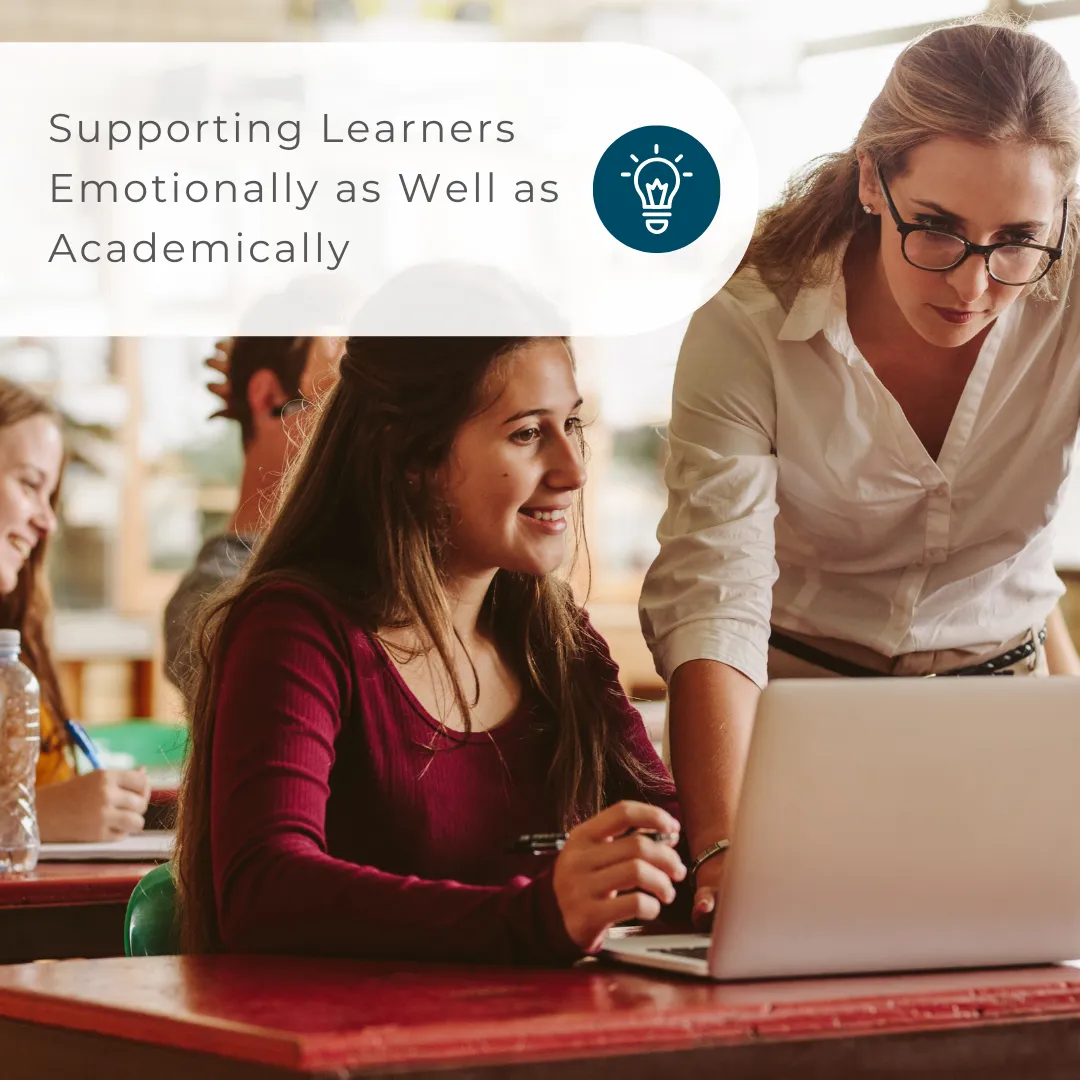
Communication & Relationships: Supporting Learners Emotionally as Well as Academically
This is article #5 of 5 in the Communication & Relationships Series
Introduction
Today’s learners face more than just academic challenges. Many deal with stress, anxiety, family pressures, and social difficulties that can affect their ability to learn. As a result, educators play an important role not only in teaching subject content but also in supporting learners emotionally. This does not mean becoming a counsellor, but rather creating a safe, supportive environment where learners feel understood and valued. When learners are emotionally supported, they are more focused, motivated, and ready to learn. This article explores practical ways educators can support learners both emotionally and academically in a balanced and professional way.
1. Why Emotional Support Matters
Learning is not only an academic process—it is also emotional.
When learners feel:
Safe
Respected
Supported
They are more likely to:
Participate in class
Take academic risks
Stay motivated
Perform better academically
Key Insight: Emotional wellbeing directly affects academic success.
2. Understanding the Challenges Learners Face
High school learners often experience multiple pressures.
Common challenges include:
Academic stress and exam pressure
Peer pressure and social issues
Family problems
Anxiety about the future
These challenges can lead to:
Poor concentration
Behaviour problems
Low motivation
Absenteeism
Understanding these factors helps educators respond with empathy.
3. Creating a Safe and Supportive Classroom
A positive classroom environment is the foundation of emotional support.
3.1 Build Trust
Be consistent
Be fair
Keep your promises
3.2 Show Respect
Listen to learners
Avoid embarrassment or criticism in front of others
3.3 Encourage Participation
Allow learners to express themselves
Accept mistakes as part of learning
A safe environment allows learners to focus on learning without fear.
4. Building Strong Relationships with Learners
Relationships are key to emotional support.
4.1 Be Approachable
Learners should feel comfortable talking to you.
4.2 Show Genuine Care
Ask how learners are doing
Notice changes in behaviour
4.3 Be Consistent
Consistency helps learners feel secure and supported.
5. Recognising Signs of Emotional Struggles
Educators should be aware of warning signs.
Possible signs include:
Sudden drop in performance
Withdrawal or isolation
Frequent absenteeism
Changes in behaviour or mood
Early recognition allows for timely support.
6. Supporting Learners in Practical Ways
Emotional support does not require complex actions.
6.1 Listen Actively
Give learners your attention
Avoid interrupting
Show understanding
6.2 Encourage and Motivate
Praise effort
Offer reassurance
Set achievable goals
6.3 Be Patient
Learners may need time to improve both emotionally and academically.
7. Maintaining Professional Boundaries
While supporting learners, educators must remain professional.
7.1 Know Your Role
You are an educator, not a counsellor.
7.2 Avoid Over-Involvement
Do not take on problems beyond your responsibility.
7.3 Protect Confidentiality
Respect learners’ privacy.
8. Knowing When to Refer
Some situations require additional support.
Refer learners when:
Problems are serious or ongoing
Mental health concerns are evident
The learner needs professional help
Possible support structures:
School counsellors
School management
External support services
Key Insight: Asking for help is a sign of professionalism, not weakness.
9. Supporting Academic Success Through Emotional Care
Emotional support and academic success are connected.
9.1 Reduce Pressure
Break tasks into smaller steps
Provide clear instructions
9.2 Encourage a Growth Mindset
Help learners believe they can improve through effort.
9.3 Offer Extra Support
Provide additional explanations
Allow time for questions
When learners feel supported, they are more willing to try.
10. Promoting a Positive Classroom Culture
A positive environment benefits all learners.
10.1 Encourage Respect Among Learners
Promote kindness
Address bullying immediately
10.2 Build a Sense of Belonging
Use group activities
Celebrate achievements
10.3 Lead by Example
Your attitude sets the tone for the classroom.
11. Taking Care of Yourself as an Educator
Supporting learners can be emotionally demanding.
11.1 Set Boundaries
Do not carry learners’ problems alone.
11.2 Seek Support
Talk to colleagues or management when needed.
11.3 Manage Your Wellbeing
Take time to rest and recharge.
Important: You cannot support learners effectively if you are overwhelmed.
Practical Checklist
Creating a Supportive Environment
My classroom feels safe and respectful
Learners are encouraged to participate
I treat all learners fairly
Supporting Learners Emotionally
I listen to learners without judging
I recognise signs of emotional distress
I encourage and motivate learners
Professional Practice
I maintain clear boundaries
I protect learner confidentiality
I refer serious issues appropriately
Supporting Academic Growth
I provide clear instructions
I break work into manageable steps
I encourage effort and improvement
Conclusion
Supporting learners emotionally as well as academically is essential for effective teaching. When learners feel safe, respected, and supported, they are more engaged and motivated to learn. Educators do not need to solve every problem, but they can make a powerful difference by showing care, understanding, and professionalism. By creating a balanced approach to emotional and academic support, educators can help learners succeed both in school and in life.
Related Articles in the Communication & Relationships Series
Building Positive Relationships with Learners
Communicating Effectively with Parents
Managing Difficult Conversations with Parents
Working with School Management Effectively
Supporting Learners Emotionally as Well as Academically
Disclaimer
AI Tools were used to assist with research. Remember to always cross-check everything that you read.